Cart 0
Talk Now
Talk to an Expert

Restaurants & Hospitality Custom T-Shirts + Staff Apparel

When service is moving fast—openings, weekend rushes, double shifts, catering load-ins—your team’s apparel shouldn’t slow anything down. Custom restaurant t-shirts and uniform pieces that are readable, consistent, and built for repeat wear make it easier to spot roles, direct guests, and keep your brand looking intentional from the host stand to the line.

At CustomTees, we run a proof-first workflow so owners and managers can sign off before anything goes to production. We also make bulk ordering and reorders simple.

Restaurants & Hospitality Custom T-Shirts + Staff Apparel

Request Quote
Design Now
Benefits Ticker — Sentence Case

Role clarity for FOH/BOH during rushes and shift changes. Consistent logo placement (left chest, back, sleeve, apron) across roles. Wearable designs your team keeps using after opening week. Reorder-ready specs so new hires match the original run.

  • Role clarity for FOH/BOH during rushes and shift changes
  • Consistent logo placement (left chest, back, sleeve, apron) across roles
  • Wearable designs your team keeps using after opening week
  • Reorder-ready specs so new hires match the original run

Select from the wide range of products

Unisex/Mens

Ready for your logo, design, or message

Womens

Soft, modern fits—perfect for custom prints.

Kids

Match your group with kid-friendly sizing

Choose Your Best Fit

FOH & BOH Staff Apparel That Keeps Teams Easy to Identify

Front-of-house and back-of-house don’t need the same uniform logic. FOH pieces often prioritize guest-facing polish and quick recognition—think hosts, servers, bartenders, runners. BOH gear has to survive heat, motion, frequent washing, and the realities of prep and line work.

For restaurant staff shirts, we plan around readability (from 10–15 feet), role clarity, and durability. Supporting options can include food service uniforms, hospitality uniforms with logo, and role-based pieces like tees for runners and heavier items for kitchen staff. We’ll also recommend the imprint method that fits your wash frequency—screen printing, DTF, DTG, or embroidery—based on your artwork and garment choice.

Real-world scenario (rush + shift change):
It’s Saturday at 7:15 pm. Two servers just got cut, three more are clocking in, and your host is training someone new. When roles are visually clear (host shirt, server shirt, expo/runner shirt), guests get seated faster, managers spend less time redirecting, and the floor feels controlled—even when it’s slammed.

Request Quote

Grand Openings, Rebrands & Promotions Staff Keep Wearing

Opening week apparel often looks great for five days… then never gets worn again. For bulk restaurant t-shirts, the goal is a shared base design that still feels “brand,” not “one-time event.” The best approach is usually: one core front mark + a consistent back layout, then small variations for roles or locations—without redesigning the entire shirt.Opening week apparel often looks great for five days… then never gets worn again. For bulk restaurant t-shirts, the goal is a shared base design that still feels “brand,” not “one-time event.” The best approach is usually: one core front mark + a consistent back layout, then small variations for roles or locations—without redesigning the entire shirt.

We’ll commonly build a system like:

  • Same brand lockup on the left chest
  • A clean back design that reads in photos and from across the room
  • Optional role callouts (Host / Server / Bar / Kitchen) as a small add-on
  • A version that works as staff apparel and casual wear

This is also where bulk planning matters: openings bring friends-and-family nights, influencer tastings, training shifts, and soft-launch events. Having extras prevents the “we ran out of mediums on day two” problem—and makes onboarding look consistent from the start.

Design Now

Events, Catering & Pop-Ups Built for Sorting and Speed

When you’re loading vans, moving through vendor entrances, and coordinating with venues, apparel becomes a sorting tool—not just branding. Catering staff shirts should make it obvious who’s on your team (and who’s in charge) while staying comfortable under movement, heat, and quick changes.

For pop-ups and festivals, we often recommend a high-contrast back print (or back + sleeve) so staff can be identified while facing away, with optional role markers for “Captain,” “Bar,” “Cashier,” or “Runner.” Depending on artwork detail and timeline, we’ll quote DTF printing versus screen printed t-shirts side-by-side so you can pick what fits the job.

Practical planning checklist (use this before you order):

  • Event date(s) + call time + venue rules (color restrictions, sponsor requirements)
  • Role list (setup, service, bar, cashier, runner, manager)
  • Quantity by role + sizes collected in one sheet
  • Extra buffer for late adds (usually 5–10% depending on team size)
  • Placement plan: left chest for brand + back for identification
  • Reorder plan: save specs so the next pop-up matches exactly
Request Quote

Manager, Supervisor & Polished FOH Apparel

Managers and supervisors need a step up in presentation—something that reads “authority” without looking stiff. Embroidered polos with logo are a staple for FOH leadership, shift leads, and guest-facing supervisors because they hold up under repeat wear and keep the branding looking sharp.Managers and supervisors need a step up in presentation—something that reads “authority” without looking stiff. Embroidered polos with logo are a staple for FOH leadership, shift leads, and guest-facing supervisors because they hold up under repeat wear and keep the branding looking sharp.

We’ll typically compare:

  • Embroidery for durability, elevated look, and frequent washing.
  • Print (screen/DTF/DTG) for larger graphics, seasonal designs, or promo pieces.

And we’ll help you choose garments that actually behave during service: breathable blends, collars that don’t collapse, and fits that work for movement (not just standing at the host stand).

Design Now

Bars, Breweries & Cafes That Need Consistency All Season

Bars and cafes live in repeatable systems: daily shifts, regulars, seasonal menu changes, and constant social content. Bar staff shirts with logo need to read clearly under low light, look good on camera, and survive heavy rotation—because nobody wants a faded logo halfway through the season.

This is also where staff apparel overlaps with merch. A clean tee or hat that your team likes wearing often becomes something guests ask to buy. We can build consistent staff pieces that also support your retail wall without turning every shirt into a “promo billboard.”

Spotlight scenario (event season):
You’ve got a weekend calendar stacked—trivia night, live music, a tap takeover, then a private party. Consistent branding across bartenders, door staff, and managers reduces confusion fast, especially for new hires or part-time event staff.

Request Quote

Catering, Banquets & Event Staff That Read From a Distance

In banquets and hospitality settings, guests need to identify staff instantly—especially in large rooms with multiple vendors. Hospitality uniforms with logo should prioritize legibility and placement logic: clear front branding for face-to-face interactions, and a readable back mark for movement across the floor.

Placement guidance that works in real venues:

  • Left chest: clean brand mark for close interaction
  • Full back: role clarity (Catering / Service / Bar / Event Team)
  • Sleeve: subtle branding when jackets or aprons cover the torso
  • Apron placement: center chest or pocket area so it stays visible during service

We’ll also talk through wash behavior: high-turnover venues need prints and threads that hold up after frequent laundering and stain treatment.

Design Now

Our Decoration Services

best for bigger groups and bold, clean designs; excellent durability; ideal for screen printed church shirts for volunteers, VBS, retreats, and events

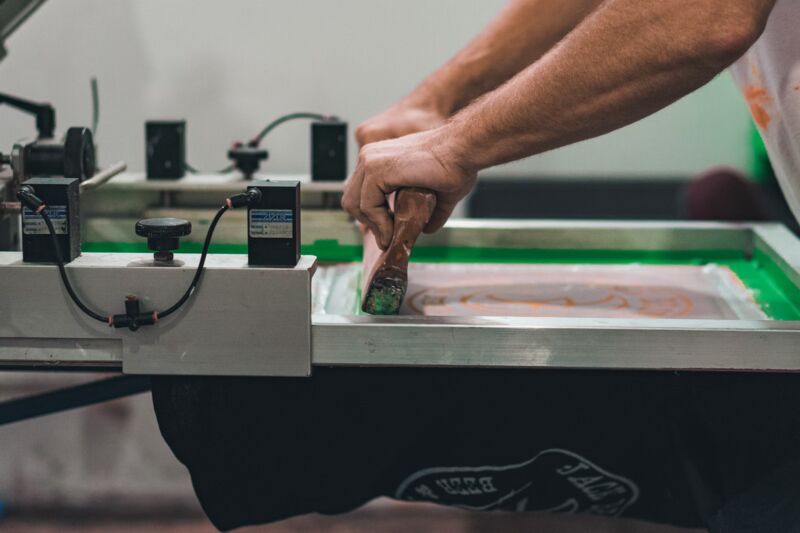
Screen printing for apparel—ideal for bulk orders, bold designs, and long-lasting prints for teams and events

Screen Printing

Screen printing is usually the best value when you’re ordering in bulk and want a clean, durable result for volunteer teams, VBS, retreats, and other large church group t-shirts.

DTG printing for apparel—great for smaller runs and full-color artwork with a soft, modern print feel.

Direct to Garment (DTG)

DTG can work well for smaller runs on the right garments, especially when you want a softer print feel and the artwork is full-color..

Direct to Film (DTF)

DTF is a great fit when your design has lots of detail and strong color, or you want consistent results across many sizes and garments—common for youth group shirts and event graphics.

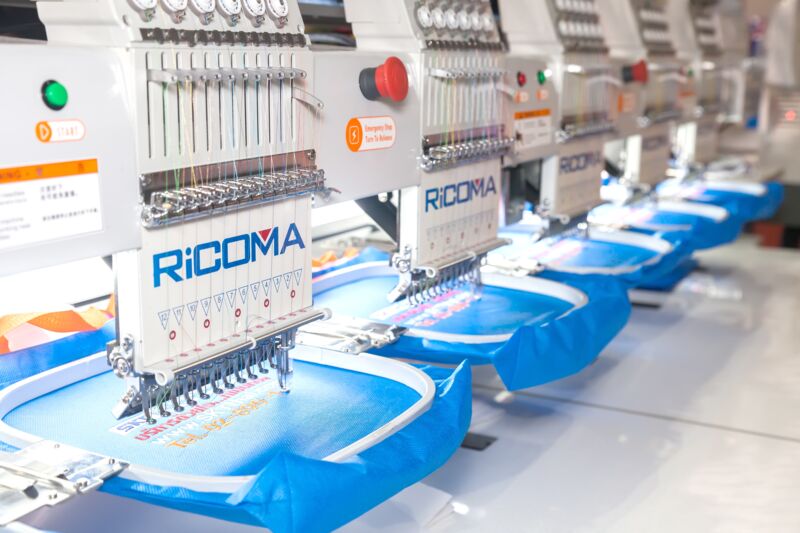
Embroidery for apparel—premium stitched logos for polos, hats, and uniforms built for repeat wear and durability.

Embroidery

Embroidery is the go-to choice for polos and hats when you want a premium, long-lasting logo—especially for staff apparel.

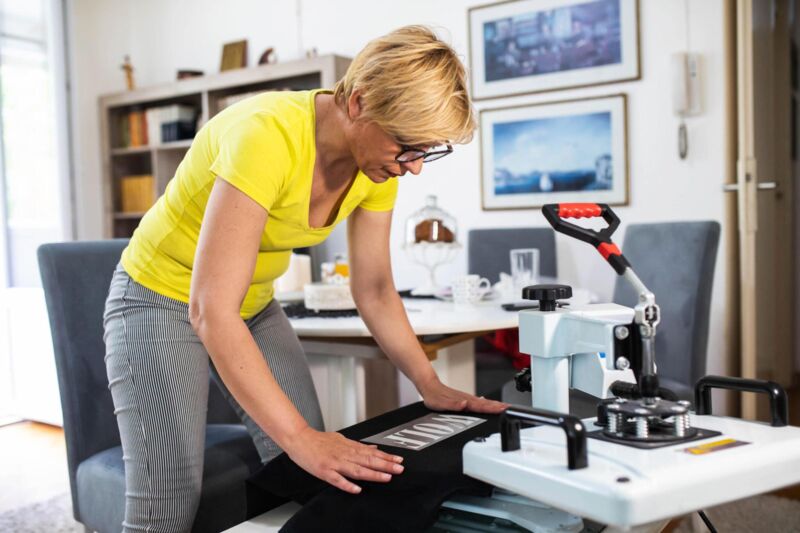
Vinyl Printing

Vinyl (HTV) is best when you need clean, simple text or numbering, or when you’re personalizing a smaller set—like adding names, roles, or a single-color mark. 

How Pricing Works for Restaurant & Hospitality Orders

Restaurants don’t just buy one item—they build a kit. Pricing changes based on what you’re ordering (tees vs polos vs custom aprons with logo), how many you need, and how complex the decoration is.

What actually drives cost:

  • Quantity: bigger runs usually drop the per-item price (bulk pricing tiers)
  • Garment type: tees vs performance blends vs polos vs aprons vs outerwear
  • Method: screen printing vs DTF/DTG vs embroidery (stitch count matters)
  • Placements: left chest only vs left chest + back + sleeve
  • Personalization: adding names or roles increases setup/time per piece

If you’re deciding between methods, we can provide side-by-side quoting (for example, screen print vs DTF) so you can pick what fits your design, timeline, and how often items get washed.

Turnaround and Deadlines

Fast turnarounds are possible, but timelines only work when the controllables stay tight: proof approval, garment availability, production scheduling, and shipping time. Delays usually come from approval lag, last-minute garment swaps, or incomplete size lists—not from the printing itself.

Safest path (operator-tested):

  • Send artwork early—even references help us start the proof process.
  • Lock the garment choice before approvals drag on.
  • Approve the proof as soon as it’s correct.
  • Treat late adds as a reorder using saved specs so the main run stays clean.

How to Order Custom Restaurant Staff Apparel

Some teams need 12 pieces for a tight opening crew; others need 200 across roles and shifts. We can support no minimums on select setups/methods (and we’ll tell you what’s realistic for your design) while also offering bulk workflows when you’re building a full uniform system.

Proof-first ordering process:

  • Share goals + roles (FOH/BOH/manager/event team)
  • Send artwork (logo files, brand colors, any style references)
  • Choose garments (tee, polo, apron, hat, outerwear—role-based)
  • Approve the proof (placement, sizing, colors, readability)
  • Collect sizes in one sheet (include role if you’re sorting)
  • Produce + label specs for reorders (so new hires match later)

Design & Placement Guidance for Real Restaurant Use

Kitchen gear and hospitality pieces have different constraints than everyday merch. For BOH leadership and visible culinary teams, chef coats embroidered logo is popular because it looks professional, holds up to frequent washing, and stays readable without peeling or cracking.

Design guidance that works on the floor:

  • Low light + movement: high-contrast marks, fewer tiny details
  • Heat + wash cycles: choose inks/threads and fabrics that stay stable
  • Role clarity: small role text can live on sleeve or upper back
  • Readable typography: avoid thin scripts for staff identification
  • Fabric choices: cotton for comfort, blends for durability, performance for heat and movement

Placement best practices (common winners):

  • Left chest for brand mark (clean + classic)
  • Back for role clarity (especially for events, catering, and large spaces)
  • Sleeve for subtle brand reinforcement
  • Apron placement where it won’t be covered by straps or pockets

Why Restaurants Choose Custom Tees

Restaurants and hospitality teams don’t need “cool designs” first—they need systems that survive hiring, turnover, reorders, and packed weekends. We focus on operational clarity: proof-first approvals, role-based uniform logic, and reorder reliability that keeps teams consistent without rework.

What that looks like in practice:

  • Approval-friendly workflow so decision-makers can sign off confidently
  • Methods that match reality (frequent washing, heat, movement, stain risk)
  • Consistent placement across roles (left chest/back/sleeve/apron)
  • Saved specs for reorders so new hires match the original run
Request Quote
Design Now
Restaurant & Hospitality Staff Apparel – Frequently Asked Questions

Frequently Asked Questions

1) What’s the best print method for uniforms that get washed constantly?

If your team’s shirts are getting washed every other day (or nightly during busy weeks), durability matters most. A simple printed logo holds up well on tees for everyday rotation, while stitching is a strong choice on polos and hats for a more finished FOH look. For detailed artwork or smaller batches, transfer-style decoration can also be a practical option when you want clean results without turning it into a huge run.

2) Is embroidery or printing better for restaurant uniforms?

It depends on what your team wears day-to-day. Stitching usually looks best on polished guest-facing pieces like polos, button-downs, and hats—great for managers and hosts. Printing is often the go-to for bulk staff tees and back prints that need to read fast during a rush.

3) Should FOH and BOH wear the same uniforms?

Not always—and most operators prefer they don’t. FOH usually needs a cleaner, guest-facing look, while BOH needs comfort and durability for heat, movement, and frequent washing. A simple system works well: FOH polos or fitted tees, BOH tees, and a separate manager look—still cohesive, but built for real roles.

4) Can you add employee names or roles to staff apparel?

Yes. Names and roles are common for catering teams, banquets, and training weeks. We can place identifiers on the chest, sleeve, or upper back—like “Manager,” “Bar,” “Kitchen,” or “Catering.” It’s easiest (and fastest) when roles are finalized before production so you’re not making last-minute edits.

5) Where should we place a restaurant logo on shirts?

For everyday wear, a left-chest mark is the cleanest placement—especially for FOH. If you need staff to be recognizable from a distance (events, patio service, shift-change chaos), a back print helps a lot. Sleeve marks are useful when aprons or jackets cover the front. We’ll recommend placements based on how your team actually moves through service.

6) What’s a good setup for bar staff shirts in low light?

Keep it simple and high contrast. A clean left-chest mark plus a readable back print works best in dim lighting, breweries, and nighttime service. Avoid tiny lines and overly detailed artwork that disappears under low light or motion behind the bar.

7) Do you offer bulk pricing for restaurant staff shirts?

Yes. Bulk pricing typically improves when you’re ordering for multiple roles (FOH, BOH, managers) or stocking extras for hiring and turnover. Ordering in volume is one of the easiest ways to get consistent uniforms at a better per-item cost—without redoing designs every time someone new joins.

8) How do reorders work when we hire new people?

This is exactly why we save your specs. Once your uniforms are approved, we keep the artwork, placement sizes, and garment details on file so new hires match the original run. That way your reorders don’t turn into “close enough”—they stay consistent across teams and seasons.

9) Can we do custom aprons with a logo for kitchen and service staff?

Absolutely. Aprons are great for service teams, baristas, and kitchen staff because they’re visible, practical, and easy to standardize. We’ll help you choose a placement that stays visible during service (not hidden by straps, pockets, or ties), especially when staff are moving fast during rushes.

10) What fabrics hold up best for food service uniforms?

For real restaurant wear—heat, stains, and constant washing—blends are usually the most reliable. Cotton feels great but can show wear faster in heavy rotation. Performance blends can be helpful for BOH or high-movement roles. If you’re building a full set, we’ll recommend fabric types based on kitchen conditions, FOH presentation, and how often you replace items.

11) Can you do rush orders for an opening or event?

Sometimes, yes—especially for openings, pop-ups, and catering deadlines. Rush success usually depends on quick proof approval, clean size submission, and in-stock garments. If the timeline is tight, we’ll tell you what’s realistic and suggest the fastest decoration approach based on your design.

12) What’s the best way to avoid mistakes on a restaurant uniform order?

Two things prevent almost every problem: a proof-first approval and a clean size list. Most mistakes happen when sizes come in through texts, roles change mid-order, or garments switch last minute. If you’re ordering for FOH/BOH, labeling the size sheet by role also makes sorting on delivery day much easier.

13) How do you help with logo readability on staff apparel?

We design for real viewing conditions—distance, low light, motion, and aprons covering parts of the shirt. Small changes like thicker lines, cleaner type, and stronger contrast can make a logo readable without making it loud. The goal is clarity during service, not flashy graphics.

14) Can we mix garments in one order (tees, polos, aprons, hats)?

Yes—and most restaurants do. A common setup is tees for BOH, polos for FOH leads, hats for consistency, and aprons for service or kitchen. We keep branding aligned across the full set so uniforms look like a system, not random pieces.

15) Should we choose DTF or DTG for detailed restaurant logos?

If your logo is detailed or multi-color, a transfer-based approach is often a strong option—especially when you want flexibility on quantities and garment colors. Direct-to-garment can also work depending on the fabric and care expectations, but it’s more sensitive to garment choice. We’ll recommend the best route based on how the uniforms will be worn and washed.

FIND US

Cumberland Mall
(Lower Level Kiosk In front of
Apple Store)
2860 Cumberland Mall #5511,
Atlanta, GA 30339

CALL US

404-424-3111

EMAIL US

customtees10@gmail.com

Your cart is empty
Search